
What Is a GLP-1 Injection: UK Guide 2026

You've probably heard someone describe Wegovy or Mounjaro as a “weight-loss injection”, then wondered whether it's a stronger version of a diet programme, whether it's safe, or whether you could get it through the NHS. Those are sensible questions. In the UK, the answer depends on the medicine, its licensed purpose, your health, and the healthcare setting providing it.
A GLP-1 injection is a prescription medicine that imitates the action of glucagon-like peptide-1, a hormone involved in appetite and blood-glucose regulation. It's used within a structured treatment plan, not as a cosmetic quick fix or an over-the-counter product. This guide explains how these medicines work, how Wegovy differs from Ozempic and Mounjaro, what treatment usually involves, and how NICE eligibility rules shape access.
Table of Contents
- Understanding the Rise of GLP-1 Injections in the UK
- How GLP-1 Injections Work Within Your Body
- Common GLP-1 Medications for Weight Management in the UK
- The Patient Journey What to Expect with Injections
- Clinically Proven Benefits and Potential Side Effects
- Safety and Eligibility Who Can Use GLP-1 Injections in the UK
- Frequently Asked Questions for UK Patients
Understanding the Rise of GLP-1 Injections in the UK
Searches for “what is a GLP-1 injection” often begin after seeing a social media post, hearing a colleague mention a weekly pen, or reading about shortages and changing NHS access. The publicity can make the medicines sound interchangeable. They aren't. Different products have different active ingredients, licences, doses, clinical indications, and prescribing pathways.
A GLP-1 injection is given under the skin, usually with a pre-filled pen. The medicine strengthens some of the signals your body naturally uses after eating. Those signals can affect appetite, fullness, digestion, and the way the pancreas responds when blood sugar rises.
The practical definition: a GLP-1 injection is a regulated medical treatment that may support weight management or diabetes care when a qualified clinician considers it appropriate.
The UK's clinical framework matters because obesity treatment isn't assessed solely by how much weight someone wants to lose. NICE recommends semaglutide, marketed as Wegovy, only alongside a reduced-calorie diet and increased physical activity, within a specialist weight management service, and for a maximum of 2 years. For adults being considered for this pathway, NICE specifies at least one weight-related comorbidity and a BMI of 35.0 kg/m² or above, or 30.0 to 34.9 kg/m² in exceptional cases, with lower BMI thresholds for some ethnic groups. See the NICE recommendation for semaglutide in weight management.
The scale of interest is now substantial. A 2026 peer-reviewed analysis estimated that about 1.6 million adults in Great Britain had used GLP-1 or GLP-1/GIP medicines for weight loss in the past year (Food Foundation briefing). That makes clear why patients need more than a simple explanation of appetite suppression. They need to understand eligibility, supervision, continuity, and the differences between UK nations and prescribing settings.
How GLP-1 Injections Work Within Your Body
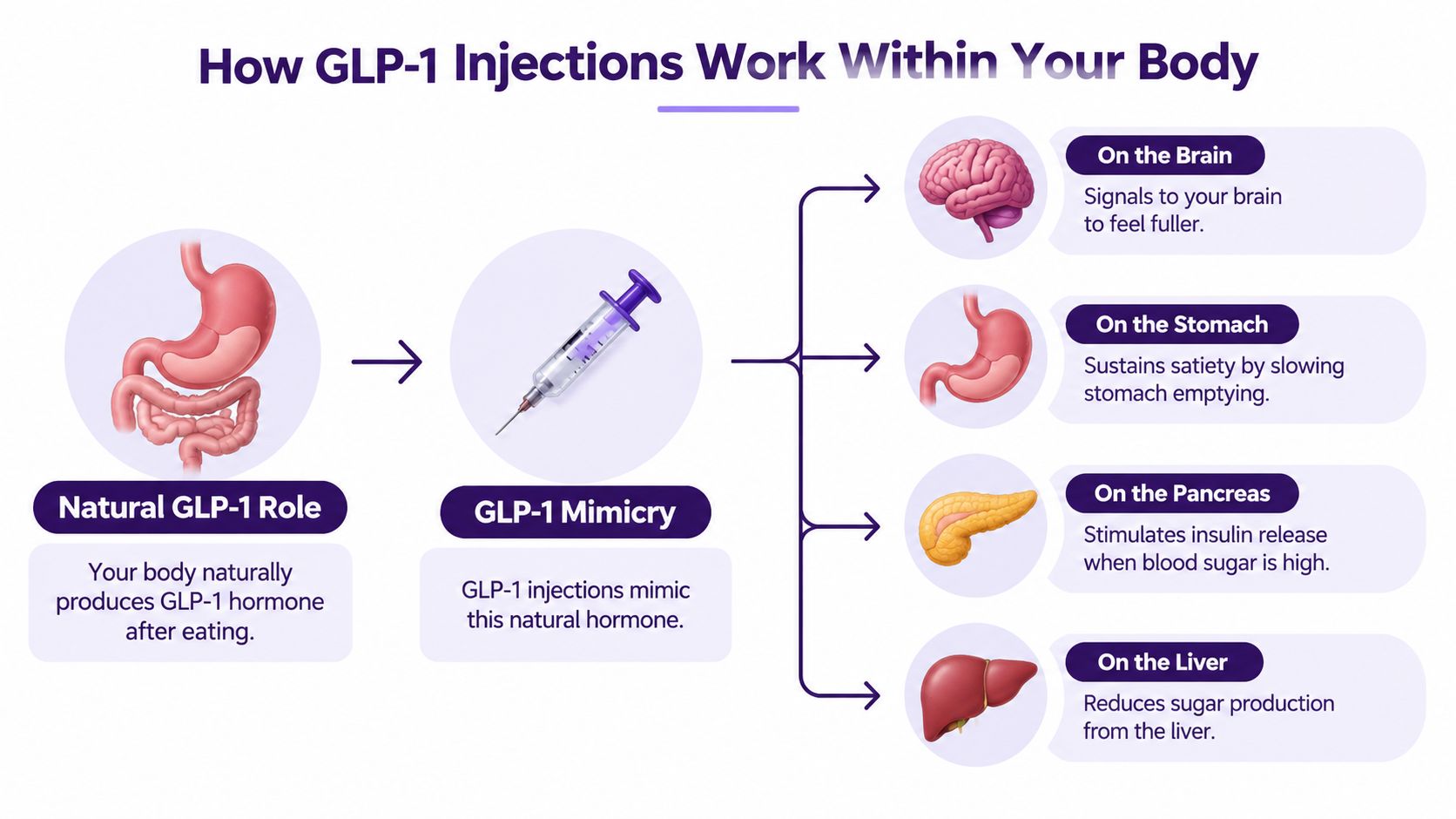
Your gut naturally releases GLP-1 after you eat. Think of it as a satiety messenger, carrying information from digestion to several parts of the body. A GLP-1 receptor agonist copies that message for longer and in a more controlled, dose-defined way.
The medicine doesn't “burn fat”. Instead, it changes several processes that influence how much you eat and how your body handles food.
The stomach and the feeling of fullness
GLP-1 medicines can slow gastric emptying, which means food may leave the stomach more gradually. You may feel satisfied after a smaller meal and remain comfortable for longer before wanting to eat again. This effect also explains why eating quickly, choosing very large portions, or consuming rich foods can feel less comfortable during treatment.
The experience varies. Some people notice appetite changes early, while others need gradual dose increases before they feel a clear difference. A clinician will use your response and side effects to guide titration rather than assuming that a higher dose is automatically better.
The brain and appetite signals
GLP-1 receptors are involved in brain pathways that help regulate hunger and satiety. The medicine can make hunger feel less intrusive and may reduce persistent thoughts about food, sometimes described informally as “food noise”. It doesn't remove the need to make decisions about meals, but it may make those decisions feel more manageable.
This distinction is important. The injection changes biological signals, while nutrition, activity, sleep, emotional wellbeing, and medical conditions still influence weight and health.
The pancreas and blood glucose
When blood sugar is high after eating, GLP-1 activity helps the pancreas release insulin in an appropriate way. It can also reduce signals that prompt the liver to release glucose. That's why medicines in this class are used in diabetes care as well as in specific weight-management pathways.
The effects are connected. Slower stomach emptying, stronger fullness signals, and improved glucose regulation can work together, but they don't make the medicine suitable for everyone. Your prescriber still needs to review your medical history, current medicines, treatment goal, and risk factors.
Common GLP-1 Medications for Weight Management in the UK
The brand name on a pen doesn't tell you the whole story. The active ingredient and its UK licence matter more than online popularity.
Wegovy contains semaglutide and is licensed for weight management in defined circumstances. Mounjaro contains tirzepatide, which acts on both GLP-1 and GIP receptors, and is licensed in the UK for type 2 diabetes and weight management. Ozempic also contains semaglutide, but UK government guidance says it isn't licensed for obesity or general weight loss. The same guidance explains the licensed distinctions between Wegovy, Ozempic, Rybelsus, Mounjaro, and liraglutide.
| Medication (Brand Name) | Active Ingredient | Primary Approved Use in UK | Mechanism | Administration Frequency |
|---|---|---|---|---|
| Wegovy | Semaglutide | Weight management in defined clinical circumstances | GLP-1 receptor agonist | Weekly subcutaneous injection |
| Mounjaro | Tirzepatide | Type 2 diabetes and weight management | GLP-1 and GIP receptor agonist | Weekly subcutaneous injection |
| Ozempic | Semaglutide | Type 2 diabetes, not obesity treatment | GLP-1 receptor agonist | Weekly subcutaneous injection |
These aren't interchangeable prescriptions. A clinician may choose one product because of its licence, your diagnosis, your other medicines, your response, supply, or the pathway available in your area. NICE's obesity guidance also distinguishes injectable schedules, identifying semaglutide as weekly and liraglutide as daily, while orlistat is an oral medicine rather than an injection. The NICE guidance on medicines and surgery for obesity explains those route and schedule differences.
For readers assessing the evidence rather than comparing advertising claims, statistics on semaglutide effectiveness can provide a useful supplementary summary, but clinical decisions should rely on your prescriber and official UK guidance. You can also read this practical Mounjaro versus Wegovy comparison for the UK, keeping in mind that “which is better” has no universal answer.
The Patient Journey What to Expect with Injections
A typical journey starts with a clinical assessment, not with a pen. A prescriber will ask about your weight history, health conditions, medicines, eating patterns, previous treatments, and goals. They may also review BMI and weight-related conditions, because UK eligibility rules are based on clinical risk rather than appearance or a target number on the scales.
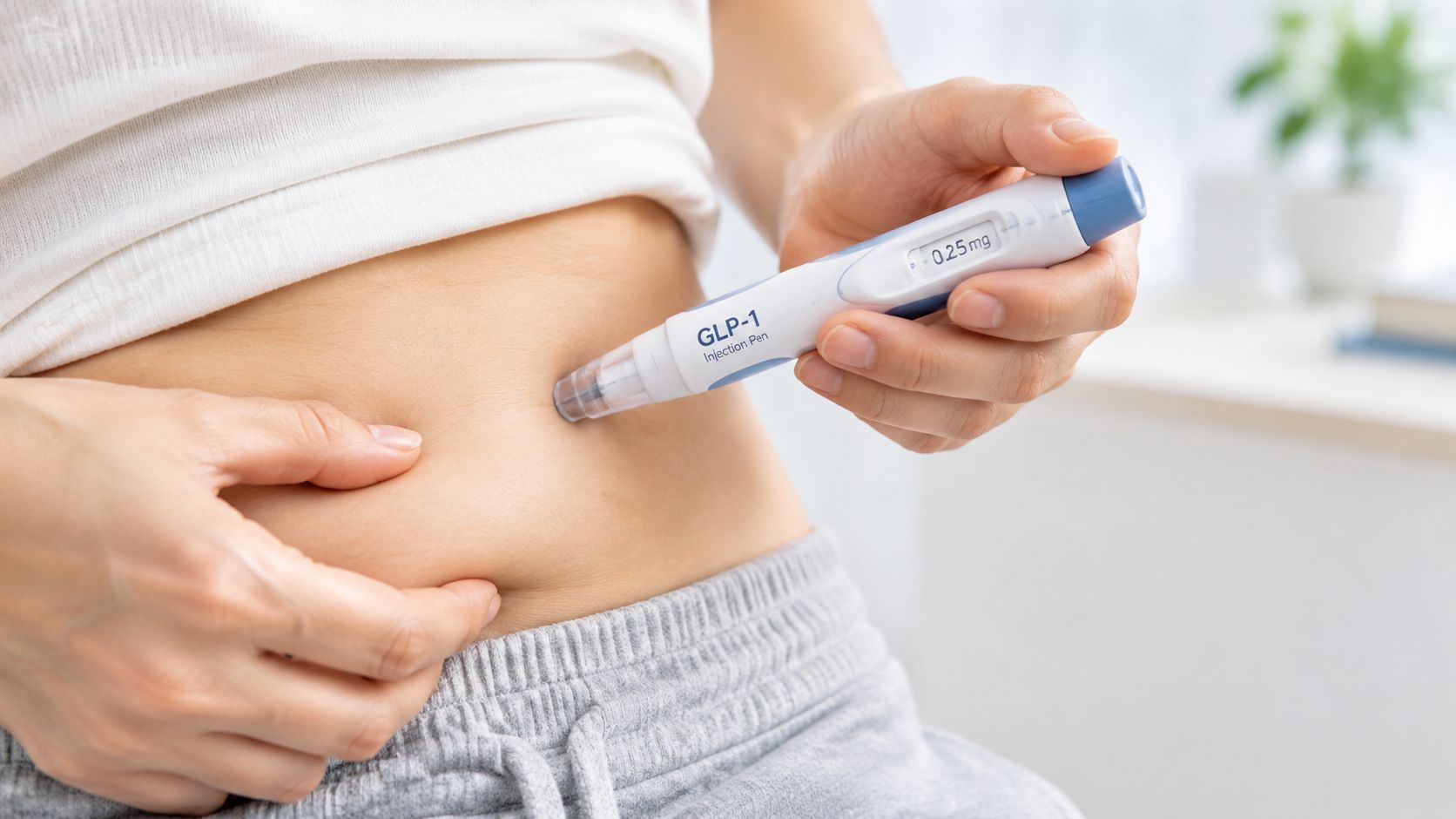
If treatment is suitable, you'll usually receive a pre-filled pen and instructions for a small injection under the skin. Common sites include the abdomen, thigh, or upper arm. The needle is fine, and many patients find the process straightforward after a demonstration.
Why the dose starts low
Prescribers generally begin with a lower dose and increase it gradually. This process, called dose titration, gives your body time to adjust and helps the clinician manage gastrointestinal symptoms. You shouldn't increase the dose early because appetite reduction feels slower than expected, and you shouldn't change products or strengths without clinical advice.
Semaglutide is normally taken on the same day each week. The NHS advises leaving at least 3 days between doses if you change the weekly injection day, and its semaglutide guidance reinforces that this is a dose-defined therapy requiring consistent supervision.
The pen itself shouldn't be confused with a vial that needs mixing. If you encounter technical material about laboratory preparation, detailed GLP-1 reconstitution information describes a different issue. Patients should use only the dispensed product and instructions supplied by their regulated prescriber and pharmacy.
A reduction in appetite may occur before visible changes on the scales, but meaningful progress is usually assessed over time. Follow-up appointments help review weight, eating, side effects, hydration, activity, and whether the treatment is meeting its intended goal. Trim's guide to injecting Mounjaro may help explain pen technique, but it doesn't replace your own prescription instructions.
This video demonstrates the type of pen routine patients may be shown:
Clinically Proven Benefits and Potential Side Effects
The strongest way to judge a GLP-1 medicine is to look at a defined trial, dose, time period, and patient group. In the STEP 1 trial, participants taking semaglutide 2.4 mg achieved an average body-weight reduction of 14.9%, corresponding to 15.3 kg, over 68 weeks. These figures come from the NICE appraisal briefing for semaglutide.
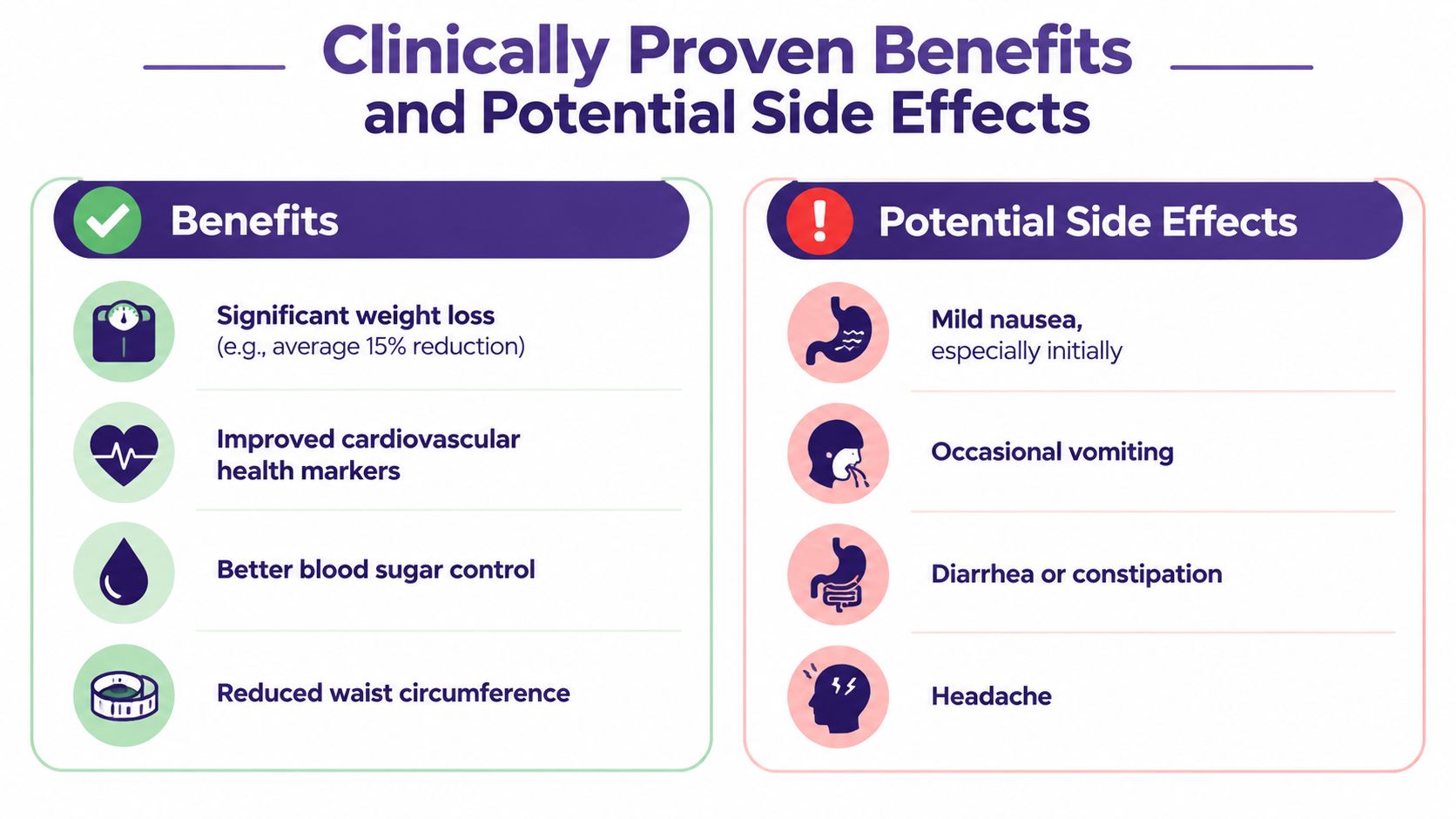
That result is a trial average, not a promise for an individual. Your response may differ because of dose tolerance, medical conditions, treatment duration, lifestyle changes, and whether you can continue treatment as prescribed. Weight is only one outcome clinicians may monitor. They may also consider appetite, waist measurement, blood glucose, blood pressure, mobility, and other weight-related health concerns.
Common effects during adjustment
Digestive symptoms are common, particularly while the dose is changing. Patients may experience:
- Nausea: Smaller meals, slower eating, and avoiding foods that trigger symptoms may help, but ask your clinician for individual advice.
- Vomiting: Persistent vomiting can cause dehydration and needs medical attention.
- Diarrhoea or constipation: Changes in food intake and digestion can affect bowel habits.
- Headache: This can occur during adjustment and may also relate to reduced intake or dehydration.
Many symptoms are mild to moderate and improve as the body adapts, but “common” doesn't mean you must tolerate severe symptoms. Contact your prescriber if symptoms are persistent, worsening, or making it difficult to eat and drink.
Problems that need prompt attention
Severe or persistent abdominal pain, repeated vomiting, signs of dehydration, or a serious allergic reaction require urgent medical advice. Your clinician will also consider risks linked to your medical history, including pancreatic, gallbladder, kidney, liver, thyroid, and eye conditions. Never conceal symptoms because you're worried treatment will be stopped. Early reporting gives the clinical team more options.
Safety principle: a successful treatment is one that improves health while remaining tolerable and properly monitored.
Safety and Eligibility Who Can Use GLP-1 Injections in the UK
Eligibility depends on the medicine's licence, NICE recommendations, local NHS commissioning, and your health history. A social media checklist cannot replace a clinical assessment.
For semaglutide used for weight management, NICE recommends adults have at least one weight-related health problem and a BMI of 35.0 kg/m² or above, or 30.0 to 34.9 kg/m² in exceptional cases. Lower BMI thresholds apply to some ethnic groups. Treatment must be provided through a specialist weight management service, alongside a reduced-calorie diet and increased physical activity. The NICE recommendation limits this treatment pathway to a maximum of 2 years, and the full recommendation should be considered with your clinician.
NHS access is separate from private prescribing and can differ between UK nations. In England, phased primary-care access to tirzepatide for obesity begins with adults who have a BMI of 35 or more, adjusted for ethnicity, and at least 4 listed weight-related health problems, according to NHS England's guidance on weight-management injections. Local availability and criteria may vary. A medicine prescribed for diabetes can also follow different rules from the same or a related medicine prescribed for obesity.
Safety questions your clinician needs answered
Tell your prescriber if you are pregnant, breastfeeding, or planning pregnancy. Mention any history of pancreatitis, gallbladder, kidney, liver, thyroid, or gastrointestinal problems. Give them a complete list of medicines, including diabetes treatments, because combinations can change the risks and monitoring required.
A personal or family history of medullary thyroid carcinoma or MEN2 is an important safety question for medicines carrying those warnings. Allergies to the active ingredient or another component also matter. If you are unsure whether Wegovy is suitable for you, ask your GP, pharmacist, or prescribing clinician rather than deciding alone.
Supply problems can affect treatment continuity. UK diabetes guidance advises clinicians to use GLP-1 receptor agonists only for licensed indications, avoid changing strengths solely because one strength is unavailable, and avoid issuing more than a month's supply without a clear reason. Exenatide, marketed as Bydureon, has also been discontinued, while other GLP-1 and dual GIP/GLP-1 options remain available, as described in this UK diabetes supply update.
Tell your surgical team and anaesthetist that you take a GLP-1 or dual GIP/GLP-1 medicine. Their advice may affect how treatment is managed around a procedure.
Frequently Asked Questions for UK Patients
Do I have to stay on a GLP-1 injection forever?
Not necessarily. The appropriate duration depends on the medicine, indication, response, side effects, NHS or private pathway, and your clinician's plan. NICE's recommendation for semaglutide in specialist weight management is for a maximum of 2 years, and stopping or continuing treatment should be a supervised decision rather than something you manage abruptly on your own.
Do I still need to change my diet and exercise?
Yes. NICE specifies reduced-calorie eating and increased physical activity alongside semaglutide. The injection can influence appetite and fullness, but it doesn't provide the nutrition, muscle-strengthening, mobility, sleep, or behavioural support that helps protect health during weight management.
What happens if I miss a dose?
Don't automatically double the next dose. Check the patient information leaflet for your specific medicine and contact your prescriber or pharmacist, because missed-dose instructions differ by product and timing.
Can I drink alcohol while using one?
Ask your prescriber or pharmacist about your medicine and health conditions. Alcohol may worsen nausea or dehydration and can complicate blood-glucose management, particularly if you have diabetes or take other glucose-lowering medicines.
If you're considering treatment, begin with a regulated clinical assessment rather than buying an unverified injection online. Trim offers UK-based medical assessments for options including Wegovy and Mounjaro, with clinician support, nutrition guidance, and activity tracking. Visit Trim to discuss whether a medically supervised weight-management pathway is appropriate for you.