
A Clinical Guide to Weight Loss Medication Side Effects

Starting a medically supervised weight loss plan is a significant step, and understanding the potential weight loss medication side effects is a key part of informed consent. While it's normal to have concerns, clinical data indicates that most side effects are transient and manageable with appropriate professional support, allowing for a safe and effective treatment course.
Your Guide to Starting Weight Loss Medication
When you decide to start a medically supervised weight loss programme, you're making an evidence-based choice for your long-term health. Modern treatments, particularly GLP-1 receptor agonists, are designed to work in conjunction with lifestyle modifications, not as a substitute for them. They are pharmacological tools that are most effective when integrated into a comprehensive plan that includes dietary changes and increased physical activity.
This guide provides clear, evidence-based information to help you understand what to expect based on clinical findings. The goal is to provide you with the necessary knowledge, ensuring you feel prepared and supported from the start of your treatment. Remember, this is a therapeutic alliance between you and your clinical team.
Setting Realistic Expectations
Whenever a new medication is introduced, the body requires a period of adaptation. It is normal to have questions about potential experiences, and it’s important to distinguish clinical facts from anecdotal reports.
A few key points based on clinical practice:
- A Gradual Start: Clinicians initiate treatment at a very low dose and increase it slowly over several weeks or months. This "titration" protocol is designed to minimise side effects by allowing the body ample time to adapt.
- Lifestyle is a Core Component: The medication's efficacy is maximised when supported by healthy lifestyle choices. Determining your dietary needs is crucial. A calorie deficit calculator can be a useful tool for managing energy intake effectively.
- Communicate with Your Clinical Team: Maintaining open communication with your healthcare provider is vital. It ensures any adverse events can be managed promptly and effectively, making your experience as smooth as possible.
A medically guided programme is not merely about receiving a prescription. It's about constructing a supportive framework that considers your diet, activity levels, and physiological response to the treatment, ensuring a safe and successful journey.
Understanding the mechanism of action of these medications is also beneficial. You can learn more about the science behind them in our introduction to GLP-1 medicines. By staying informed, you become an active participant in your own healthcare, ready to work with your clinician to navigate any challenges and achieve your health goals.
Managing Common Gastrointestinal Side Effects
Upon initiating a new weight loss medication, particularly a GLP-1 agonist, the body often requires an adjustment period. The most commonly reported adverse events in clinical trials are gastrointestinal (GI) in nature – such as nausea, diarrhoea, and constipation. While this may sound concerning, understanding the physiological reasons and management strategies can improve the treatment experience significantly.
The digestive system functions like a regulated pathway. GLP-1 medications work by slowing down this process. This effect, known as delayed gastric emptying, is beneficial for promoting satiety. However, it can initially cause GI disturbances like nausea or bloating as the system adjusts to its new, slower rhythm.
For most individuals, this is a transient phase. These symptoms are most prevalent during the initial weeks of treatment or following a dose escalation. As the body acclimatises to the medication, they typically resolve.
The Typical Timeline for GI Side Effects
It is helpful to have an understanding of the expected timeline as your body adapts. The journey typically follows distinct phases from treatment initiation to reaching a stable maintenance dose.
This timeline outlines the typical path individuals take when starting a weight loss medication, from initial research and consultation through to monitoring progress with their clinical team.
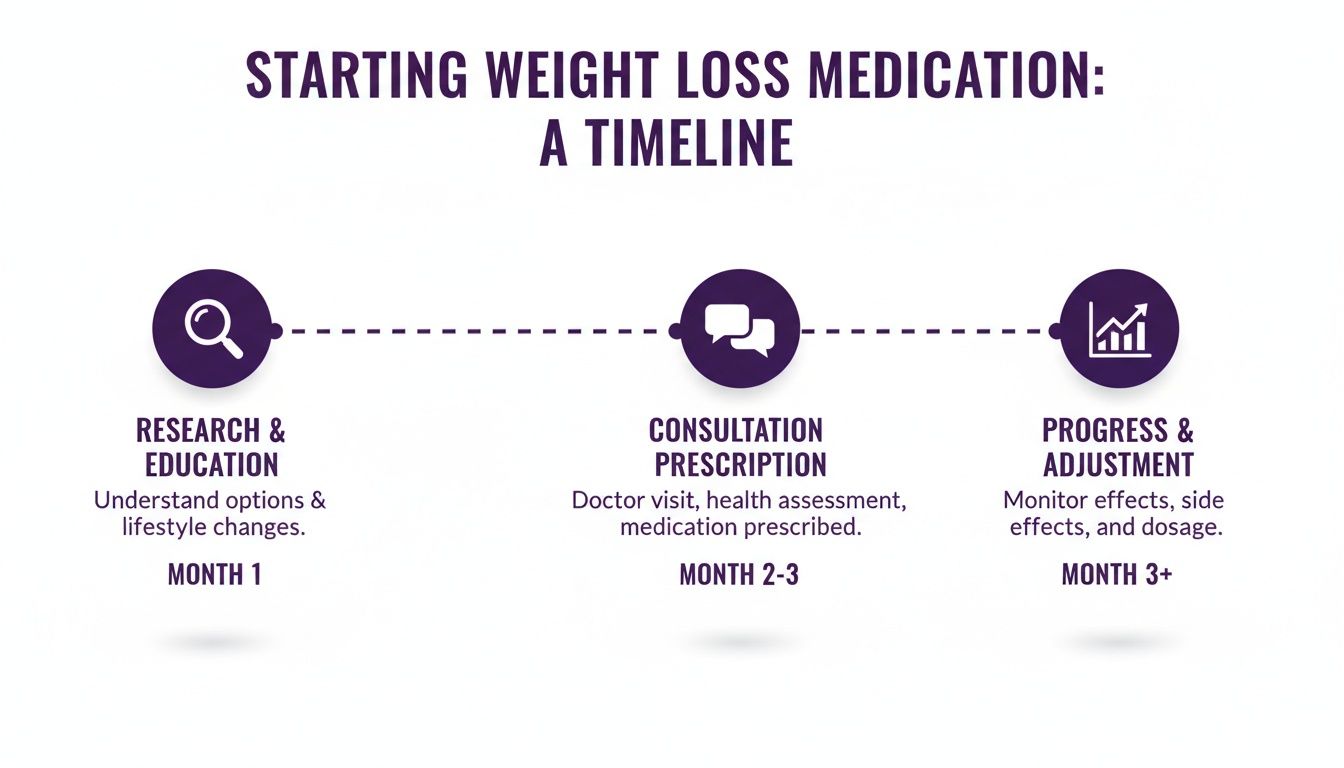
As shown, the initial phase where side effects are most likely is followed by a period of adaptation, all under the careful supervision of a clinician.
Data from the UK's Medicines and Healthcare products Regulatory Agency (MHRA) supports this, showing that GI side effects are the most frequently reported. The data also illustrates a pattern of adaptation. While 8.11% of users report these side effects in their first month, that figure decreases significantly to just 0.28% by months four to six. This indicates that for the vast majority, the body adjusts and the discomfort subsides.
Actionable Strategies for Managing Symptoms
You are not a passive recipient of treatment; there are simple, evidence-based actions you can take to manage digestive discomfort. The key is a gentle approach to your system.
Dietary modification is one of the most effective strategies for mitigating side effects. For a more detailed review, our guide on what to eat on Mounjaro offers tips applicable to most GLP-1 treatments.
The table below provides practical guidance for managing common GI symptoms.
A Practical Guide to Managing GI Side Effects
| Side Effect | Clinical Description | Management Strategy | When to Contact Your Clinician |
|---|---|---|---|
| Nausea | A feeling of sickness or an upset stomach, sometimes leading to emesis (vomiting). | Consume smaller, more frequent meals. Avoid high-fat, spicy, or very sweet foods. Sip ginger tea or water. | If it is persistent, severe, or prevents adequate oral intake of food or fluids for more than 24 hours. |
| Diarrhoea | Loose, watery stools, often with increased frequency and urgency. | Maintain hydration with water or oral rehydration solutions. Consume bland foods (e.g., bananas, rice, toast). Avoid caffeine and dairy. | If it persists for more than 2-3 days, is severe, or is accompanied by signs of dehydration (e.g., dizziness, dark urine). |
| Constipation | Difficulty passing stools, feeling of incomplete evacuation, or abdominal bloating. | Gradually increase dietary fibre with fruits, vegetables, and whole grains. Ensure adequate fluid intake. Gentle exercise like walking can aid motility. | If there has been no bowel movement for more than 3-4 days despite conservative measures, or if there is severe abdominal pain. |
| Bloating/Gas | A sensation of fullness or pressure in the abdomen, sometimes with excessive flatus. | Eat slowly and chew food thoroughly. Avoid carbonated beverages and gas-producing foods (e.g., legumes, cabbage). | If accompanied by severe pain, cramping, or does not improve with dietary adjustments. |
These strategies are first-line interventions, helping to find a comfortable balance as the medication begins to work.
The objective of a medically supervised programme is to balance the medication's therapeutic effects with patient comfort and safety.
If these conservative measures do not provide sufficient relief, or if symptoms feel severe, it is crucial to contact your clinical team. They can offer personalised advice, adjust the dosing schedule, or rule out other underlying causes. Open communication is the foundation of a safe and successful weight loss journey.
Understanding Serious But Rare Side Effects
While most side effects associated with weight loss medications are mild and self-limiting, it is important to be aware of the less common, more serious risks. This information is not intended to cause alarm, but to empower you with the knowledge needed for safe treatment. Being an informed participant in your own healthcare includes recognising potential "red flag" symptoms.
This is why a thorough pre-screening consultation with a clinician is a mandatory first step. They will review your personal and family medical history to identify any contraindications. For example, a personal or family history of certain thyroid conditions or pancreatic issues would be a key determinant in assessing the safety and suitability of these medications.

This initial screening functions as a safety measure, ensuring treatment is prescribed only when it is appropriate for your specific health profile.
Pancreatitis: A Key Risk to Recognise
One of the most significant rare side effects linked to some weight loss drugs is pancreatitis – a painful inflammation of the pancreas. Awareness of this risk is critical. In the UK, pancreatitis is a serious potential side effect, and regulatory data has documented a number of cases.
The MHRA has noted that Mounjaro has been linked to 181 reported cases of pancreatitis, which resulted in five deaths. Similarly, Wegovy and Ozempic combined have had 113 reports and one reported death. This is why the MHRA urges UK doctors to be vigilant for its signs. You can read more in the MHRA's updated guidance on weight-loss jabs.
The primary symptom to recognise is a severe, persistent pain in the abdomen that may radiate to the back.
This pain is often accompanied by other signs:
- Vomiting or persistent nausea
- A high temperature (fever)
- A noticeably rapid pulse (tachycardia)
If you experience severe, unremitting abdominal pain, you must seek medical attention immediately. This is not a symptom to "wait out" – prompt diagnosis and treatment are vital.
Understanding the potential severity of this condition highlights the value of ongoing clinical monitoring throughout your treatment. For a more detailed look at the risks, you may find our guide on the side effects of Mounjaro helpful.
Gallbladder Issues and Rapid Weight Loss
Another area of consideration involves the gallbladder. Rapid and significant weight loss, which can be achieved with these medications, is a known risk factor for developing gallbladder-related conditions such as cholelithiasis (gallstones). This is not always a direct pharmacological effect of the drug, but rather a physiological consequence of rapid, significant weight reduction.
The gallbladder aids in fat digestion. When weight is lost quickly, the composition of bile can change, predisposing it to stone formation. While this is an uncommon side effect, it is important to recognise the symptoms.
Key signs of gallbladder pathology include:
- Sudden, severe pain in the upper right quadrant of the abdomen
- Pain that radiates to the back between the shoulder blades or to the right shoulder
- Nausea or vomiting
These symptoms can mimic other gastrointestinal issues, but the pain is typically more severe and localised. If you experience this type of acute, specific pain, you should contact your clinician or seek medical advice promptly.
The Importance of Ongoing Clinical Oversight
Navigating the possibility of these rare but serious side effects underscores the indispensable role of your clinical team. They are not just prescribers; they are your partners in health, closely monitoring your progress and ensuring your safety throughout treatment.
Regular check-ins allow them to screen for adverse symptoms and adjust your treatment plan as needed. This continuous professional support is designed to detect potential issues early, long before they could escalate into serious problems. It ensures that the therapeutic benefits of your medication consistently outweigh any risks, keeping your health and wellbeing the top priority.
Exploring Other Potential Side Effects
While gastrointestinal issues are the most widely discussed side effects, the body can signal its adjustment to a new weight loss medication in other ways. Often, these are not direct pharmacological effects but are secondary to the major metabolic and dietary shifts occurring. Understanding these connections is key to effective management.
Fatigue, dizziness, and headaches are common examples. While it is easy to attribute these to the medication, they are often physiological responses to a reduced caloric intake. Consuming fewer calories can lead to lower carbohydrate and fluid intake, which can result in transient drops in blood sugar or mild dehydration. This can manifest as fatigue or light-headedness, especially during the initial phase of treatment.

The solution is often rooted in holistic self-care. Prioritising hydration by drinking water throughout the day and ensuring that smaller meals are nutritionally dense can make a significant difference.
Managing Headaches, Fatigue, and Dizziness
Simple lifestyle adjustments are the most powerful tools for managing these common but milder side effects. These foundational habits support the body as it adapts to a new metabolic state.
Here are a few practical, evidence-based strategies:
- Stay Hydrated: Dehydration is a primary contributor to both headaches and dizziness. Make a conscious effort to consume adequate water throughout the day.
- Balance Your Nutrition: Ensure that calorie-reduced meals are rich in protein, fibre, and essential micronutrients. This helps to maintain stable blood glucose levels and provides sustained energy.
- Engage in Gentle Movement: While intense exercise may be challenging initially, gentle activity like a daily walk can improve circulation and energy levels.
- Prioritise Rest: The body is undergoing significant changes. Obtaining sufficient quality sleep is crucial for recovery and energy regulation.
For some individuals, weight loss medications can affect sleep patterns. Exploring strategies for improving deep sleep naturally can be a helpful adjunct to your routine, alongside advice from your clinician. Good sleep hygiene is a cornerstone of overall health.
These symptoms are typically mild and transient. They often improve significantly as your weight stabilises and your body acclimates to its new metabolic rhythm. Maintaining an open dialogue with your clinician ensures you have the right support to manage them effectively.
Less Common Side Effects to Note
Beyond the more frequent issues, a small percentage of people report other, less-discussed changes. These are generally not a cause for major concern, but it is good to be aware of them so you can report them to your clinical team.
Injection Site Reactions: For injectable medicines, some individuals may experience localised erythema (redness), mild swelling, or pruritus (itchiness) at the injection site. This is usually a minor local reaction. Rotating injection sites—for example, using different areas on the abdomen, thigh, or upper arm—is the best way to prevent this.
Changes in Taste or Mood: A small number of individuals report dysgeusia (altered taste) or mood shifts. The mechanisms are not fully understood but may be related to the medication's influence on central nervous system pathways that regulate both appetite and mood.
Hair Thinning: Telogen effluvium, a temporary increase in hair shedding, can sometimes occur following rapid, significant weight loss. This is almost always a temporary condition. Hair growth typically returns to its normal cycle once weight stabilises. Ensuring adequate protein and vitamin intake can help support healthy hair.
By understanding these potential weight loss medication side effects, you can work proactively with your clinical team to make your journey as smooth and comfortable as possible.
How Side Effects Differ Across Life Stages
Your weight loss journey is personal, and physiological responses to medication can be influenced by your current life stage. Major hormonal shifts and metabolic changes can affect the experience and management of potential side effects. A standardised approach is often insufficient, which is why clinical care must be tailored to your unique circumstances.
This is particularly true for individuals navigating major life transitions like the postpartum period or menopause. Understanding the interaction between these stages and your treatment is vital for a safe and successful outcome.
Postpartum Considerations and Medication Safety
Following childbirth, many women seek to return to their pre-pregnancy weight. However, when considering weight loss medications, the safety of both the mother and infant is the paramount priority.
For individuals who are breastfeeding, most prescription weight loss medications, including GLP-1 agonists, are generally contraindicated. This is due to a lack of sufficient clinical data to confirm their safety. It is often unknown if the medication is excreted into breast milk and what potential effects it might have on a nursing infant.
Your clinician will always prioritise the health of you and your baby. It is essential to have a comprehensive discussion about your postpartum health goals and any breastfeeding plans before considering medication. They can help you explore safe, non-pharmacological strategies for weight management during this time.
Navigating Menopause and Perimenopause
The menopausal transition can present unique challenges. It brings hormonal changes that not only complicate weight management but can also introduce symptoms that mimic medication side effects. As oestrogen levels decline, metabolism can slow, promoting fat storage, particularly visceral adiposity.
This can lead to diagnostic confusion. Is the fatigue a result of the medication, or is it a classic menopausal symptom? Is the nausea from the treatment, or is it another manifestation of hormonal flux?
This overlap is precisely why it’s so important to work with a clinician who understands the nuances of menopausal health. They can help differentiate the cause of symptoms and adjust your care plan accordingly.
Common areas of symptom overlap include:
- Fatigue and Low Energy: Asthenia can be caused by both reduced caloric intake and the hormonal shifts of menopause.
- Mood Fluctuations: Some individuals notice mood changes on medication, which can be difficult to distinguish from the mood lability often associated with perimenopause.
- Digestive Issues: Bloating and altered bowel habits can be part of the adjustment to medication, but they are also common during the menopausal transition.
A good clinician will monitor your symptoms holistically, ensuring your treatment plan supports your weight loss goals without exacerbating the challenges of menopause. This type of personalised guidance is crucial for navigating the complex interplay between weight loss medication side effects and this significant life stage.
Why Ongoing Clinical Support Is Essential
Initiating a weight loss medication is a critical first step, but it is the continuous partnership with your clinical team that facilitates long-term success. This support system is not just a safety net; it is the framework that helps you navigate the entire journey, especially in managing weight loss medication side effects.
Without this guidance, the path can be challenging. Many people attempt to manage side effects alone, which can be overwhelming. This lack of support is a significant factor contributing to premature treatment discontinuation, thereby forfeiting the potential long-term health benefits.
Clinical data supports this observation. A large-scale Danish study found that over 50% of new users discontinued their semaglutide treatment within one year. The attrition rate was progressive, with 31% stopping by six months and 42% by the nine-month mark. The primary reasons cited were persistent gastrointestinal side effects and cost, highlighting the difficulty of treatment adherence without a robust support system. You can read more about the challenges of staying on weight loss injection treatment on the Harley Street Obesity Clinic's blog.
Your Clinician as a Partner in Care
View your clinician not just as a prescriber, but as a collaborative partner in your care. They are there to help you achieve the optimal balance between medication efficacy and your personal comfort. This therapeutic relationship is built on regular communication and a shared goal of tailoring the treatment to your individual needs.
This partnership is most valuable during the initial adaptation phase. If side effects are difficult to tolerate, your clinician has several strategies they can employ.
Key adjustments your clinician can make include:
- Slowing Down Titration: If you exhibit sensitivity to a dose increase, they can extend the titration schedule, allowing your body more time to adapt.
- Temporary Dose Reduction: Sometimes, it is clinically appropriate to return to a previously well-tolerated dose for a short period before attempting to escalate again.
- Providing Symptom Management Advice: They can offer expert, evidence-based strategies for managing specific side effects, from dietary modifications to lifestyle adjustments.
This process of fine-tuning is a normal and expected part of personalised medicine. It is not a sign of failure but a demonstration of careful, individualised care. The goal is to find the lowest effective dose that helps you achieve your goals with minimal disruption to your quality of life.
Beyond the Prescription: A Holistic Approach
Ultimately, medication is just one component of a successful weight management strategy. Sustainable success is achieved by combining pharmacology with expert human guidance. Your clinical team provides the essential oversight to ensure your safety, troubleshoot issues, and maintain motivation.
They monitor your overall health, track your progress, and offer encouragement. This consistent support transforms the experience from an individual effort into a guided, manageable journey. It ensures you are not just losing weight, but doing so in a way that is safe, comfortable, and sustainable for long-term health.
Frequently Asked Questions
Initiating any new treatment can generate numerous questions. We have compiled clear, evidence-based answers to the most common queries regarding weight loss medication side effects to help you feel more informed and prepared.
How Long Do Initial Side Effects Last?
For most people, side effects like nausea typically manifest at the beginning of treatment or immediately following a dose escalation. They usually resolve within a few weeks as the body acclimatises to the medication.
This adjustment period is precisely why clinicians initiate treatment at a low dose and titrate upwards slowly. This protocol is specifically designed to minimise the incidence and severity of weight loss medication side effects. If your symptoms do not improve or are particularly bothersome, it is important to contact your clinical team.
Do Side Effects Mean the Medication Is Working?
Not necessarily. While some effects, such as reduced appetite, are a direct indication of the medication's pharmacological action, other side effects like persistent nausea are not a measure of efficacy. The primary goal is to help you achieve your health targets with minimal discomfort.
An effective treatment should improve your health and quality of life. Your clinician will work with you to find a dose that provides the best therapeutic outcome without causing persistent, undesirable side effects.
The ideal treatment plan is one with a high benefit-to-risk ratio. Feeling unwell is not a prerequisite for success, and your clinical team is there to help you find a tolerable and effective balance.
Can I Drink Alcohol on This Medication?
It is generally advisable to limit alcohol consumption while taking these medications. Alcohol can exacerbate common side effects such as dizziness and nausea. Furthermore, its high caloric content can counteract weight loss efforts.
More significantly, heavy alcohol use in conjunction with certain weight loss drugs could increase the risk of pancreatitis—a rare but serious condition. For personalised and safe advice, it is always best to discuss your alcohol consumption habits openly with your clinician.
What Should I Do If I Miss a Dose?
The protocol for a missed dose depends on the specific medication and the time elapsed since the scheduled administration. For weekly injections, there is often a grace period of several days during which the dose can be taken upon remembering.
However, if you are outside this window, the recommendation may be to skip the missed dose and resume your regular schedule. The best course of action is always to consult the patient information leaflet provided with your medication and contact your clinical team for precise instructions. This ensures continued therapeutic benefit without compromising safety.
Ready to start a safe, medically supervised weight loss journey? At Trim, our UK-registered clinicians provide ongoing, one-to-one support to help you manage your treatment effectively. Find out if you're eligible today.
Accuracy & Review Notice
This article is accurate as of 09/02/2026 and reflects the clinical guidance and evidence available at the time of publication. Content has been checked and verified by Roger Compton (GPhC: 2082993). Medical guidance may change over time; readers should seek personalised advice from a qualified healthcare professional.