
How to Get Wegovy in the UK A Clinical Guide

Wegovy is a medication used for weight management, but it is not available over the counter. In the UK, it is a prescription-only medicine, which means a medical consultation is required before it can be supplied. This is a crucial safety measure to ensure it is an appropriate treatment for an individual's health circumstances.
There are two main pathways to obtain a prescription: through the NHS or via a private clinic. Each route has its own process and eligibility criteria. In either case, a qualified clinician must assess your BMI and overall health profile before issuing a prescription.
Understanding the Wegovy Access Pathways in the UK
Wegovy (the brand name for semaglutide) is an evidence-based option for adults requiring clinical intervention for obesity. As a prescription-only medicine, a UK-registered clinician must approve its use after a full health assessment. This process ensures that the treatment is clinically appropriate for a patient's specific situation.

High demand for GLP-1 medicines like Wegovy has placed significant strain on NHS services, which has led many people to consider private healthcare as an alternative route.
The Two Routes for a Prescription
Obtaining Wegovy in the UK involves choosing one of two distinct pathways. While the end medication is the same, the process, timing, and criteria differ significantly.
- The NHS Pathway: This route typically starts with a GP referral to a specialist tier 3 weight management service. This is a thorough, structured programme, but the clinical criteria are strict and waiting lists can be extensive due to high demand and limited resources.
- The Private Clinic Pathway: This has become a common option for many individuals. It involves a consultation with a registered private provider, which can often be conducted online. Reputable clinics are registered with the General Pharmaceutical Council (GPhC) and have qualified clinicians who review a patient's medical history and issue a prescription if clinical criteria are met.
The increase in individuals using private healthcare reflects a proactive public approach to health management. It is estimated that 2.5 million packs of Mounjaro and Wegovy will have been sold across the UK by July 2025—a significant increase from the previous year. This surge highlights the number of people turning to regulated online clinics for timely access. You can read more about the rise of weight management medications in the UK.
To clarify, here is a comparison of the two main pathways to get Wegovy.
Wegovy Access Pathways in the UK
| Consideration | Private Clinics | NHS Pathway |
|---|---|---|
| Eligibility Criteria | Based on NICE guidelines (e.g., BMI ≥30 or ≥27 with comorbidity) and assessed privately. | Very strict, often requiring referral to a specialist Tier 3 service. |
| Waiting Times | Typically faster, with consultations often available within days. | Can be extensive, often lasting many months or even years. |
| Consultation Process | Usually online via questionnaires and clinician review; sometimes video calls. | Involves a multi-disciplinary team, including dietitians and specialists. |
| Cost | Self-funded. The patient pays for the consultation, prescription, and medication. | Covered by the NHS, so no cost for the medication itself (prescription charges may apply in England). |
| Convenience | High. The process is often managed remotely, with medication delivered to the patient's address. | Requires in-person appointments and follows a structured programme. |
This table outlines the key differences, showing that while the NHS provides a comprehensive service, private clinics offer a faster alternative for those who are eligible and able to self-fund.
It is important to remember that regardless of the pathway, medical oversight is non-negotiable. A qualified professional must assess your health to ensure Wegovy is a safe and suitable choice for you.
This guide will now detail each option, providing the information needed to make an informed decision about your health.
Clinical Eligibility Criteria for Wegovy
To determine if Wegovy is a suitable treatment, a clinician must first verify that specific medical criteria are met. These guidelines, set by the National Institute for Health and Care Excellence (NICE) in the UK, are not arbitrary.
These standards exist to ensure the medication is used safely and prescribed only to individuals who are likely to benefit from it. Both the NHS and reputable private clinics adhere to these guidelines.
The initial assessment for eligibility is almost always based on Body Mass Index (BMI). This is a standard calculation using height and weight that provides healthcare professionals with a consistent metric for assessing weight status.
Understanding the BMI Thresholds
There are two main scenarios where an individual's BMI might meet the criteria for Wegovy, pending a full clinical health assessment.
- A BMI of 30 kg/m² or higher: This is the clinical definition of obesity. A BMI at this level is the primary threshold for consideration.
- A BMI of 27 kg/m² or higher with a comorbidity: This applies to individuals in the ‘overweight’ category (BMI between 27 and 29.9) who also have at least one weight-related health condition. The presence of these comorbidities increases the overall health risk, making treatment a higher priority.
Common weight-related health conditions that are considered include:
- Type 2 diabetes
- High blood pressure (hypertension)
- High cholesterol (dyslipidaemia)
- Obstructive sleep apnoea
To contextualise these figures, a person who is 5'8" tall would have a BMI of 30 if they weighed approximately 14 stone 4 pounds (about 91 kg). If you would like to explore this topic in more detail, you can learn more by decoding eligibility for weight loss injections in our detailed guide.
Medical Reasons for Ineligibility
Meeting the BMI criteria is a key step, but it is not the only factor. A responsible prescriber will always screen for contraindications—specific medical conditions where a medication should not be used due to potential harm. Patient safety is the primary concern.
A thorough medical consultation is therefore mandatory. Wegovy will not be prescribed if certain health issues are present in a patient's personal or family medical history.
Key contraindications include:
- Medullary Thyroid Carcinoma (MTC): A personal or family history of this specific, rare type of thyroid cancer.
- Multiple Endocrine Neoplasia syndrome type 2 (MEN 2): A genetic condition that increases the risk of tumours.
- History of Pancreatitis: A history of inflammation of the pancreas is a significant contraindication.
- Pregnancy or Breastfeeding: Wegovy is not approved for use during pregnancy, while planning to become pregnant, or when breastfeeding.
It is vital to be completely open and honest during your medical assessment. Withholding information about your health history can lead to serious safety risks. A clinician requires a full, accurate medical history to determine if Wegovy is a safe and appropriate treatment for you.
This evidence-based process ensures Wegovy is prescribed to individuals for whom the benefits—such as significant weight loss and improved health markers—outweigh the potential risks. This is why a comprehensive medical assessment is a non-negotiable first step.
The Prescription Process: NHS vs Private Channels
Once you have reviewed the criteria and believe you may be a candidate for Wegovy, the next step is to obtain a prescription. In the UK, this can be done through one of two main routes: the National Health Service (NHS) or a private healthcare provider.
These two pathways differ significantly in terms of speed, cost, and the overall process. Understanding how each one functions is essential for deciding the most suitable approach for your circumstances.
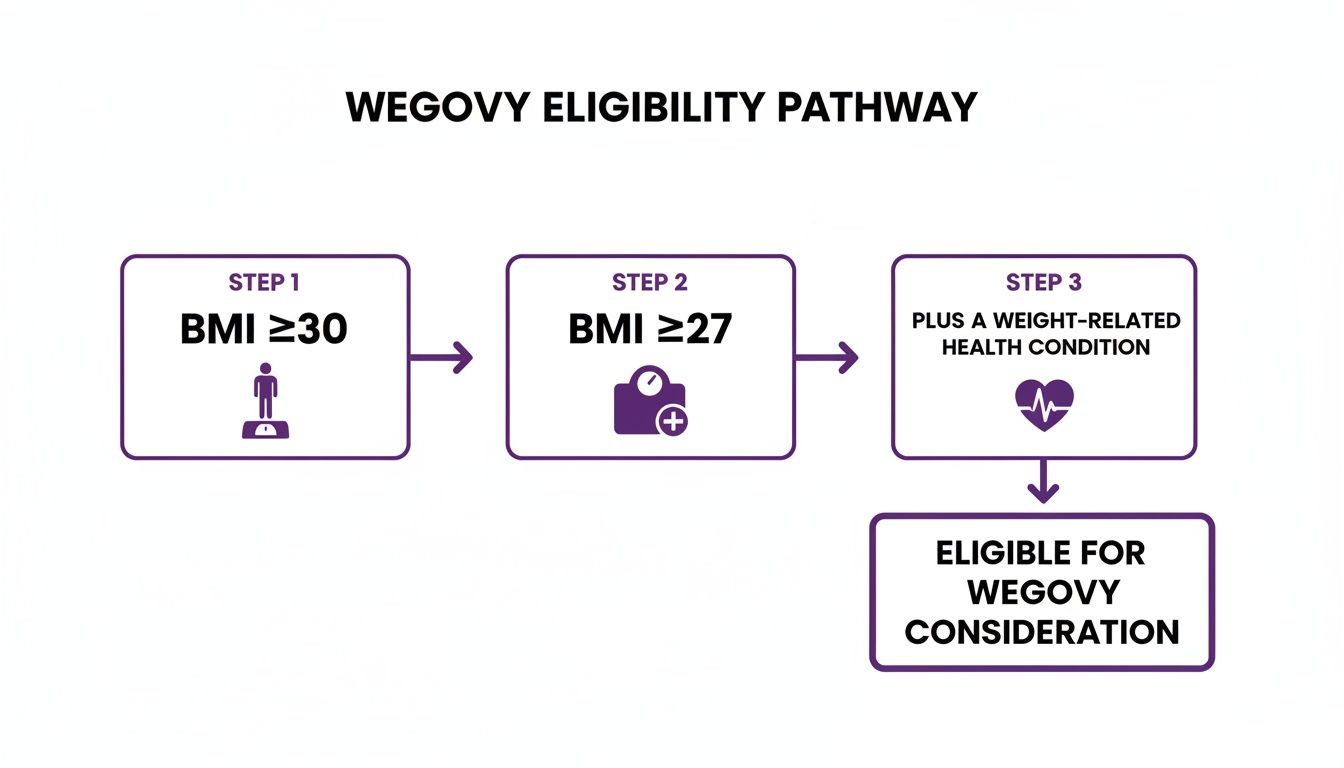
Regardless of the chosen path, the process begins with a clinical assessment of your BMI and any related health conditions.
The NHS Route: A Structured but Slower Path
For most UK residents, the NHS is the initial point of contact for health concerns. To get Wegovy through the NHS, the process typically starts with a GP. However, even if your GP agrees that you are a suitable candidate, they do not usually issue the prescription directly.
Instead, a referral is made to a specialist, multi-disciplinary tier 3 weight management service. These services offer comprehensive support but are often oversubscribed.
This high demand results in very long waiting lists, which can extend to months or, in some cases, years. Furthermore, access to these specialist services can vary geographically across the country.
The Private Channel: A Faster, More Direct Alternative
Due to the delays within the NHS pathway, the private route has become the primary method for accessing Wegovy in the UK. This pathway is designed for efficiency and convenience, often allowing the process to be initiated from home.
A typical private process includes these steps:
- Online Health Assessment: The first step is to complete a detailed medical questionnaire covering your health history, current conditions, and BMI.
- Clinician Review: A UK-registered clinician, such as a doctor or pharmacist prescriber, will review your information to determine if Wegovy is a safe and clinically appropriate option.
- Prescription and Delivery: If approved, a prescription is issued. A registered pharmacy then dispenses the medication and delivers it to your address.
This streamlined process explains the rapid growth in the private market. While the number of GLP-1 prescriptions on the NHS has increased, it's estimated that 95% of users obtain the treatment privately. This system allows individuals to be assessed online, receive a prescription if eligible, and have their medication delivered promptly.
In summary, the private route offers a more direct and faster way to be assessed for Wegovy, bypassing the long NHS waiting lists. The main difference is that the patient bears the full cost of the treatment.
Comparing Costs and What’s Included
The financial aspect is where the two routes differ most significantly. If you meet the strict NHS criteria and are accepted by a specialist service, the treatment is covered by the NHS (standard prescription charges may apply in England).
The private route requires self-funding for the entire treatment. The cost typically ranges between £150 and £200 per month. It is important to verify what this price includes, as reputable providers often offer more than just the medication.
Often, the monthly cost covers:
- The Wegovy medication.
- The initial consultation and ongoing clinical check-ins.
- Access to a support programme, often including lifestyle and nutritional advice.
- Digital tools for tracking progress.
This comprehensive approach provides a full support system to help patients achieve the best outcomes from the medication. For a more detailed comparison of these systems, you can learn more about the availability of GLP-1s on the NHS in our guide.
Ultimately, the choice between the NHS and private pathways depends on individual circumstances, including the urgency of treatment, budget, and the level of support required.
Why Choosing a Regulated Provider is Essential
When researching how to get Wegovy, safety must be the primary consideration. The high demand for this treatment has led to an increase in unregulated sellers and counterfeit products, which pose serious health risks.
Patient safety is paramount. The only way to ensure you are receiving genuine, safe medication is to use a provider that is fully regulated by UK healthcare authorities. This guarantees that every step, from consultation to dispensing, meets the UK’s strict medical standards.

Verifying a Provider's Legitimacy
How can you determine if a service is legitimate? There are several clear checks you should always perform before engaging with any online clinic. Taking a few moments for this verification is a critical step in protecting your health.
A legitimate provider will be transparent about its credentials. If this information is difficult to find, it should be considered a significant red flag.
Here's what to check:
- GPhC Registration: The provider must be registered with the General Pharmaceutical Council (GPhC), the independent regulator for pharmacists and pharmacies in Great Britain. You can verify their registration number on the official GPhC website.
- UK-Registered Clinicians: Ensure the consultation is conducted by a UK-registered healthcare professional. This could be a doctor on the General Medical Council (GMC) register or a pharmacist prescriber registered with the GPhC.
- Registered UK Pharmacy: The medication must be dispensed from a physical, GPhC-registered pharmacy located in the UK. This confirms the medicine is authentic and has been stored under the correct conditions.
A regulated service is structured around patient safety. It ensures a qualified professional has properly reviewed your medical history, determined the treatment is appropriate for you, and that you receive genuine medication.
The Dangers of Unregulated Sources
The risks associated with purchasing from unregulated or black market sellers are severe. Counterfeit medications may contain incorrect ingredients, improper dosages, or even harmful substances. The consequences can range from the treatment being ineffective to causing serious, unexpected health problems.
The scale of this issue is significant. With the UK market for Wegovy projected to grow—an estimated 1.6 million adults could be using it by early 2025—the illicit trade is expanding concurrently. Authorities have increased enforcement, recording over 18,300 illegal seizures of these medications between February 2024 and May 2025 alone. You can read more in this UCL research summary on Wegovy usage and risks.
Choosing a regulated provider is the only way to safeguard your health. It provides professional oversight, authentic medication, and ongoing support—all essential components of a safe and effective weight management plan. To understand the different legitimate treatments, you can review our overview of weight loss injections available in the UK, which provides a clearer picture of the evidence-based options available.
What to Expect After Receiving Your Wegovy Prescription
Receiving a Wegovy prescription is the start of the treatment process. Understanding what follows is important for managing expectations and achieving the best possible results.
While the medication is an effective tool, its success is optimised through a structured approach. This includes a careful dosing schedule, management of potential side effects, and a commitment to broader lifestyle modifications.
The Dosing Schedule and Titration
Treatment with Wegovy does not begin at the maximum dose. Instead, it starts with a very low dose that is gradually increased over several months in a process known as titration.
This method allows the body time to acclimate to the medication, which significantly reduces the likelihood and severity of side effects, particularly gastrointestinal issues like nausea. This gradual introduction improves treatment tolerance for the long term.
A typical titration schedule is as follows:
- Months 1-2: Starting on the lowest doses allows the patient and clinician to monitor the body's response.
- Months 3-4: The dose is methodically increased under close clinical supervision.
- Month 5 onwards: The patient will likely reach the full maintenance dose of 2.4 mg once a week.
It is crucial to adhere strictly to the prescribed schedule. Attempting to accelerate the process or skipping doses can lead to unpleasant side effects and disrupt the treatment plan.
Managing Common Side Effects
While many individuals tolerate Wegovy well, it is common to experience some side effects, especially as the body adjusts. Most of these are related to the digestive system.
Nausea is the most frequently reported side effect. Other possible effects include constipation, diarrhoea, or fatigue. These are usually manageable and tend to diminish as the body adapts to the medication over time.
Practical tips for managing side effects include:
- Eat Smaller, More Frequent Meals: Large meals can be difficult for a digestive system slowed by the medication. Spacing smaller portions throughout the day can help alleviate nausea.
- Stay Hydrated: Drinking plenty of water is essential for managing constipation and overall well-being.
- Choose Bland Foods: During periods of nausea, simple, low-fat foods such as crackers, toast, or plain rice may be better tolerated.
- Listen to Your Body's Satiety Cues: Wegovy is designed to increase feelings of fullness. Pay attention to these signals and stop eating when satisfied, not full.
Your clinical team is the primary resource for managing side effects. Always inform them if you experience any persistent or severe issues. They can provide personalised advice and support.
Wegovy is a Tool for Lifestyle Change
It is important to understand that Wegovy is not a standalone solution. Clinical trials have consistently demonstrated that GLP-1 medications are most effective when integrated into a comprehensive lifestyle plan. This holistic approach is key to achieving sustainable, long-term results.
The treatment plan should be viewed as having several core components. The medication helps to manage appetite and cravings, which creates an opportunity to build healthier, lasting habits.
These changes should always include:
- Improved Nutrition: Focus on a balanced diet rich in lean protein, fibre, and healthy fats to promote satiety and provide essential nutrients.
- Regular Physical Activity: Incorporate both cardiovascular and strength training exercises. Maintaining muscle mass is important for metabolic health during weight loss.
- Ongoing Clinical Support: Regular check-ins with your healthcare provider are essential to ensure the treatment remains safe and effective, allowing for adjustments as needed.
As part of a comprehensive plan, you may receive advice on increasing protein intake. Learning how to use protein powder in cooking can be a practical way to meet protein targets, which is vital for preserving muscle mass while losing fat. This integrated approach helps ensure you are not just losing weight, but also improving your overall health for the long term.
Your Wegovy Questions Answered
When considering a new medication like Wegovy, it is natural to have questions. Having all the facts is an important part of making an informed decision. Here are answers to some of the most common queries.
Is Wegovy Safe for Long-Term Use?
Wegovy has been approved for long-term weight management based on rigorous clinical trials. Its ongoing safety, however, depends on continuous monitoring by a qualified clinician.
It can be considered a chronic treatment, similar to medication for high blood pressure. Your clinician will conduct regular reviews to ensure the benefits continue to outweigh any potential risks. If treatment is stopped, the appetite-regulating effects will cease, and weight regain is likely.
The decision to use Wegovy long-term should be made in partnership with your healthcare provider. This is an ongoing conversation that should be revisited regularly to ensure it remains the right and safest option for your health.
Can I Get Wegovy if I Don't Have a Weight-Related Health Condition?
The eligibility criteria for Wegovy, established by regulatory bodies like NICE, are specific to ensure its safe and effective use. If you do not have a weight-related health condition such as type 2 diabetes or high blood pressure, you generally need a BMI of 30 kg/m² or higher to be considered.
This threshold is not arbitrary; it is in place to ensure the medication is used by those whose health is significantly impacted by obesity. Reputable providers, both NHS and private, will adhere to these guidelines to protect patient safety.
What Happens if I Miss a Dose?
If you miss a dose, the appropriate action depends on how much time has passed since the scheduled administration.
- If it has been 5 days or less: Take the missed dose as soon as you remember. Then, take your next dose on its regularly scheduled day.
- If it has been more than 5 days: Skip the missed dose entirely. Wait and take your next dose on your usual day. Do not take two doses to make up for the missed one.
If you miss more than two consecutive doses, it is important to contact your clinician. They will advise on the best way to restart the medication, which may involve returning to a lower dose to minimise potential side effects.
Can I Drink Alcohol While Taking Wegovy?
There is no strict medical contraindication against consuming alcohol while using Wegovy, but caution is advised. Moderation is important for several reasons.
First, alcoholic beverages contain calories that can hinder weight management efforts. Second, both Wegovy and alcohol can cause nausea or gastrointestinal upset in some individuals; combining them could exacerbate these effects. Some users have anecdotally reported a reduced desire for alcohol while taking Wegovy, although further research is needed in this area.
It is best to discuss your alcohol consumption with your healthcare provider for personalised advice.
Will I Have to Follow a Special Diet?
There is no single, official "Wegovy diet" that must be followed. The medication works by reducing appetite, which provides an opportunity to establish healthier, sustainable eating habits.
Most clinicians recommend a balanced diet that emphasizes:
- Lean Protein: To promote satiety and preserve muscle mass during weight loss.
- Fibre: From fruits, vegetables, and whole grains to support digestive health.
- Healthy Fats: From sources like avocados, nuts, and olive oil.
A comprehensive treatment programme will include nutritional guidance tailored to your individual needs. This support is crucial for optimising results. It is also common for individuals to ask how supplements might fit into their new routine, with questions like Does creatine help you lose fat.
How Is Wegovy Different from Ozempic?
This is a very common question, as both medications contain the same active ingredient: semaglutide.
The primary difference lies in their licensed indications and available dosages. Ozempic is licensed in the UK for the treatment of type 2 diabetes, although weight loss is a known side effect. Wegovy is licensed specifically for chronic weight management. To facilitate this, it is available in higher doses, including a 2.4 mg maintenance dose that has been optimised in clinical trials for weight loss.
While they are fundamentally the same drug, they are prescribed for different primary purposes and at different maximum strengths.
We hope this has answered some of your questions. Below is a summary of other common queries.
Your Wegovy Questions Answered
| Question | Answer |
|---|---|
| How long until I see results? | Most people begin to lose weight within the first few weeks, but significant results are typically observed over several months. Patience and consistency are important. |
| Do I have to inject it myself? | Yes, Wegovy is a once-weekly self-administered injection. Your provider will supply full training on how to perform the injection safely and easily at home. |
| What are the most common side effects? | The most frequent side effects are gastrointestinal, such as nausea, diarrhoea, and constipation, particularly when initiating or increasing the dose. These typically decrease over time. |
| Can I take Wegovy if I'm pregnant? | No, Wegovy should not be used during pregnancy. It is recommended to discontinue the medication at least two months before planning to conceive. |
| Is it available on the NHS? | Yes, but under very strict criteria. It is available through specialist weight management services for individuals who meet specific BMI and health condition thresholds. |
Each person's health journey is unique. It is always best to discuss your specific circumstances with a healthcare professional who can provide personalised medical advice.
Ready to see if a medically supervised programme is right for you? At Trim, we combine proven medications with expert clinical support to help you achieve your goals. Find out if you're eligible by completing our quick, confidential consultation today. Start your journey with Trim