
Fat Loss Diet for Women: A Practical UK Guide

In the UK, 52% of women report actively trying to lose weight, compared with 38% of men. That figure reflects a real need, but it also raises an important question: should every woman follow the same calorie target and meal plan? The answer is no. A fat loss diet for women needs to account for age, pregnancy and recovery, menstrual health, menopause, medication, appetite, muscle mass and long-term nutritional adequacy. (UK National Diet and Nutrition Survey)
Fat loss still requires an appropriate energy deficit, but the quality and structure of that deficit matter. Eating less while losing muscle, missing key nutrients or worsening fatigue isn't a successful long-term plan. This guide focuses on practical food choices, life-stage adjustments, strength training and the special nutritional challenges that can arise with GLP-1 weight loss medicines.
Table of Contents
- Why a Female-Focused Approach Matters in the UK
- How Female Physiology Shapes a Fat Loss Diet
- Calorie Targets, Protein and a Daily Plate
- The Processed Food Question and Other Common Patterns
- Postpartum, Perimenopause and Menopause Adjustments
- Eating Well While Using GLP-1 Weight Loss Medicines
- Combining Diet with Strength Training to Protect Muscle
Why a Female-Focused Approach Matters in the UK
In 2022, 29% of adults in England were living with obesity, while 64% were overweight or living with obesity. Among women, overweight and obesity increased with age, from 38% at ages 16 to 24 to 69% at ages 55 to 74. These figures describe a population pattern, not a prescription for every individual. They show why a single diet template can overlook differences in health, daily life and physiology. (UK National Diet and Nutrition Survey)
A calorie plan copied from a general weight-loss guide may not account for pregnancy recovery, breastfeeding, heavy periods, polycystic ovary syndrome, thyroid disease or changing activity levels. It may also treat a slower rate of loss as failure, even when the person is maintaining strength, meeting nutrient needs and recovering well.
The diet needs to change with the person
A useful fat loss diet for women has different priorities across life stages:
- During the reproductive years, iron, fibre, protein and adequate energy matter, particularly with heavy menstrual bleeding or high activity levels.
- After childbirth, recovery, breastfeeding, disrupted sleep and pelvic-floor symptoms should influence whether a deficit is appropriate, as well as its size and timing.
- During perimenopause and menopause, protein, resistance training, calcium, vitamin D and cardiovascular health deserve greater attention as body composition changes.
- When using GLP-1 medicines, reduced appetite can make adequate nutrition harder to achieve. Each meal therefore needs to contribute protein and micronutrients. Preserving muscle deserves particular attention because up to 40% of weight lost can be lean tissue.
The UK's earlier nutrition surveillance found that only 26% of adults consumed at least five portions of fruit and vegetables daily. More than 20% of women were below the Lower Reference Nutrient Intake for iron and potassium in the cited 2008 to 2009 analysis. The practical lesson is straightforward: fat loss should not depend on skipping meals or removing whole food groups without a clinical reason. (English obesity, physical activity and diet statistics)
A sensible starting point is a moderate, sustainable reduction in energy intake, built around protein, vegetables, fruit, high-fibre carbohydrates and suitable fats. The aim is steady progress that supports health and helps preserve muscle, rather than the fastest possible change on the scales.
How Female Physiology Shapes a Fat Loss Diet
Female physiology doesn't create a separate set of laws for fat loss, but it can change appetite, food preferences, energy needs and where the body stores fat. Hormonal patterns are part of the explanation, although they aren't the whole story.
Oestrogen and progesterone fluctuate across the menstrual cycle. Some women notice greater hunger, cravings, bloating or reduced training tolerance in the later part of the cycle. That doesn't mean the body has stopped responding to an energy deficit. It means a plan based on rigid daily perfection may be less useful than one that allows modest variation while keeping the overall pattern consistent.
A practical approach is to prepare for predictable changes rather than treating them as a lack of willpower. For example, a woman might include a planned yoghurt and fruit snack, a larger portion of potatoes or oats, or a more satisfying evening meal when appetite is higher. The food still fits the wider plan, but the plan recognises that hunger isn't identical every day.
Health conditions and medicines need individual assessment
The same calorie intake can feel very different depending on sleep, movement, stress, medication and health status. Oral contraceptives can alter bleeding patterns and appetite for some women. PCOS may be associated with insulin resistance and irregular cycles, while thyroid disorders can affect energy, mood and weight. These situations don't automatically require a special diet, but they do justify medical assessment when symptoms are persistent or weight changes are unexpected.
Avoid using a calculator as a diagnosis. If fatigue, feeling cold, hair loss, irregular periods or a sudden change in weight accompanies dieting, speak with a GP or registered dietitian instead of reducing food further.
During perimenopause and menopause, falling oestrogen is associated with a greater tendency towards abdominal fat storage, while ageing and a calorie deficit can make muscle preservation more difficult. UK guidance discussed in this explanation of hormonal abdominal fat supports a focus on protein, fibre, resistance exercise and overall dietary quality rather than chasing a smaller number on the scales at any cost.
Clinical perspective: Hormones can influence appetite and body composition, but they don't make fat loss impossible. They do make a flexible, adequately nourished plan more sensible than increasingly severe restriction.
Calorie Targets, Protein and a Daily Plate
A calorie target is a working estimate, not a moral score. Begin with your usual intake, activity and meal pattern, then make a moderate reduction that still supports regular meals and normal daily functioning. UK survey data, including the UK National Diet and Nutrition Survey, can provide context for typical eating patterns, but it cannot prescribe an individual calorie target. A moderate deficit is generally more practical than choosing the lowest possible number.
A lower target is not automatically better. Persistent exhaustion, falling training performance, menstrual changes or repeated loss of control around food suggest that the deficit may be too aggressive or the meals poorly structured. Seek advice from a GP or dietitian if you have a history of an eating disorder, diabetes, pregnancy, breastfeeding or regular medication use.
Build each meal around protein
For women focused on preserving muscle, UK menopause guidance commonly uses 1.0 to 1.2 g of protein per kg of body weight daily. For a 70 kg woman, that means roughly 70 to 84 g per day. Spreading this intake across meals works like topping up a fuel tank throughout the day, rather than trying to consume nearly everything at dinner. (St George's menopause nutrition guidance)
A simple day could look like this:
- Breakfast: Greek yoghurt with berries and oats.
- Lunch: Chicken or tofu with pulses, mixed vegetables and a wholegrain carbohydrate.
- Dinner: Salmon, sweet potato and green vegetables.
- Snack: Cottage cheese with a small portion of nuts, or another protein-rich option.
Portions should reflect body size, hunger, activity and the rest of the day's intake. Use the menu as a template, not a test to copy perfectly. Include a meaningful protein source at each main meal, then add vegetables or fruit, a high-fibre carbohydrate and a small amount of unsaturated fat.
Protein planning also matters for women using GLP-1 medicines, because up to 40% of weight lost can be lean tissue. Reduced appetite can make a protein-containing meal harder to finish, so smaller portions and planned snacks may help. This guide to protein intake for weight loss offers practical ideas, but it does not replace advice specific to your medical history.
Water is the appropriate default drink. Requirements vary with body size, weather, exercise and medical conditions. For example, a 65kg woman doing 30 minutes of brisk walking in temperate weather may need around 1.6-2.0L from drinks, adjusted for thirst, urine colour and activity.-vesm
The Processed Food Question and Other Common Patterns
The question isn't whether one food is “good” or “bad”. It's whether the overall pattern makes it easier to eat enough protein and fibre, manage hunger and maintain a moderate energy intake.
A UK community-based randomised crossover trial compared eight-week minimally processed food and ultra-processed food diets, with both diets designed around UK dietary guidance. Among 55 adults, waist circumference fell by 2.06% on the minimally processed food diet and 1.05% on the ultra-processed food diet. Both changes were statistically significant, but the minimally processed diet produced the larger reduction. The researchers projected that maintaining the observed trajectory for a year could result in approximately 9% weight loss among women on the minimally processed diet, compared with about 5% on the ultra-processed diet. The female estimate was a subgroup projection, not the result of a women-only trial. (Nature Medicine trial)
| Outcome | Standard advice | Swap UPFs for MPFs |
|---|---|---|
| Projected weight loss among women if the eight-week trajectory continued for a year | About 5% | Approximately 9% |
| Waist circumference change during the trial | 1.05% reduction | 2.06% reduction |
| Diet emphasis | UK dietary guidance | UK dietary guidance with more minimally processed foods |
Minimally processed choices can make fibre, protein and food volume easier to manage. Examples include oats, potatoes, pulses, eggs, fish, plain yoghurt, fruit, vegetables and nuts. Ultra-processed foods aren't automatically forbidden, but foods high in refined starch, added sugar or fat can be easy to eat quickly without creating much fullness.
Choosing a pattern you can sustain
A Mediterranean-style pattern often works well because it gives meals a clear structure without banning carbohydrates. A lower-carbohydrate approach can suit some women, particularly when it replaces refined foods with vegetables, pulses, protein and unsaturated fats. It becomes less helpful when it removes fruit, wholegrains or pulses without replacing their fibre and micronutrients.
Intuitive eating can also be useful, but it doesn't mean ignoring nutrition. Hunger and fullness cues may be harder to interpret during stress, poor sleep, perimenopause or GLP-1 treatment. A flexible combination of planned meals and internal cues is often more realistic than either strict tracking or complete lack of structure.
Alcohol deserves attention because drinks can add energy without creating much fullness and may affect food choices and sleep. Poor sleep can increase appetite for some people, while higher appetite can make sleep and routine harder to manage. If dieting creates anxiety, compulsive tracking or fear of food, confidential eating disorder help in Arizona is an example of specialist support, although UK readers should seek an appropriate local service.
For supermarket shopping, use a traffic-light approach:
- Green: vegetables, fruit, pulses, oats, potatoes, wholegrains, fish, eggs and plain dairy.
- Amber: bread, cheese, sauces, packaged meals and snack foods, portioned deliberately.
- Red: foods that repeatedly trigger overeating or worsen reflux, sleep or digestive symptoms. Red doesn't mean forbidden. It means pause and choose intentionally.
Postpartum, Perimenopause and Menopause Adjustments
Pregnancy recovery and menopause require different dietary decisions. Both show why a fat loss diet for women should match the body's current demands rather than apply one calorie target to every life stage. After childbirth, healing, iron status, breastfeeding, sleep loss and a gradual return to movement may matter more than rapid weight reduction.
Postpartum weight-management research supports combined plans involving diet, physical activity, individualised support and self-monitoring. In one review, 9 of 22 studies reporting body weight, or 41%, found a statistically significant reduction compared with control groups, while meta-analyses estimated an average 2.3 kg reduction relative to control groups. The evidence is not exclusively UK-based, and direct UK trial evidence remains limited, so these results describe possible outcomes rather than a promised result. (NCBI postpartum weight-management evidence review)
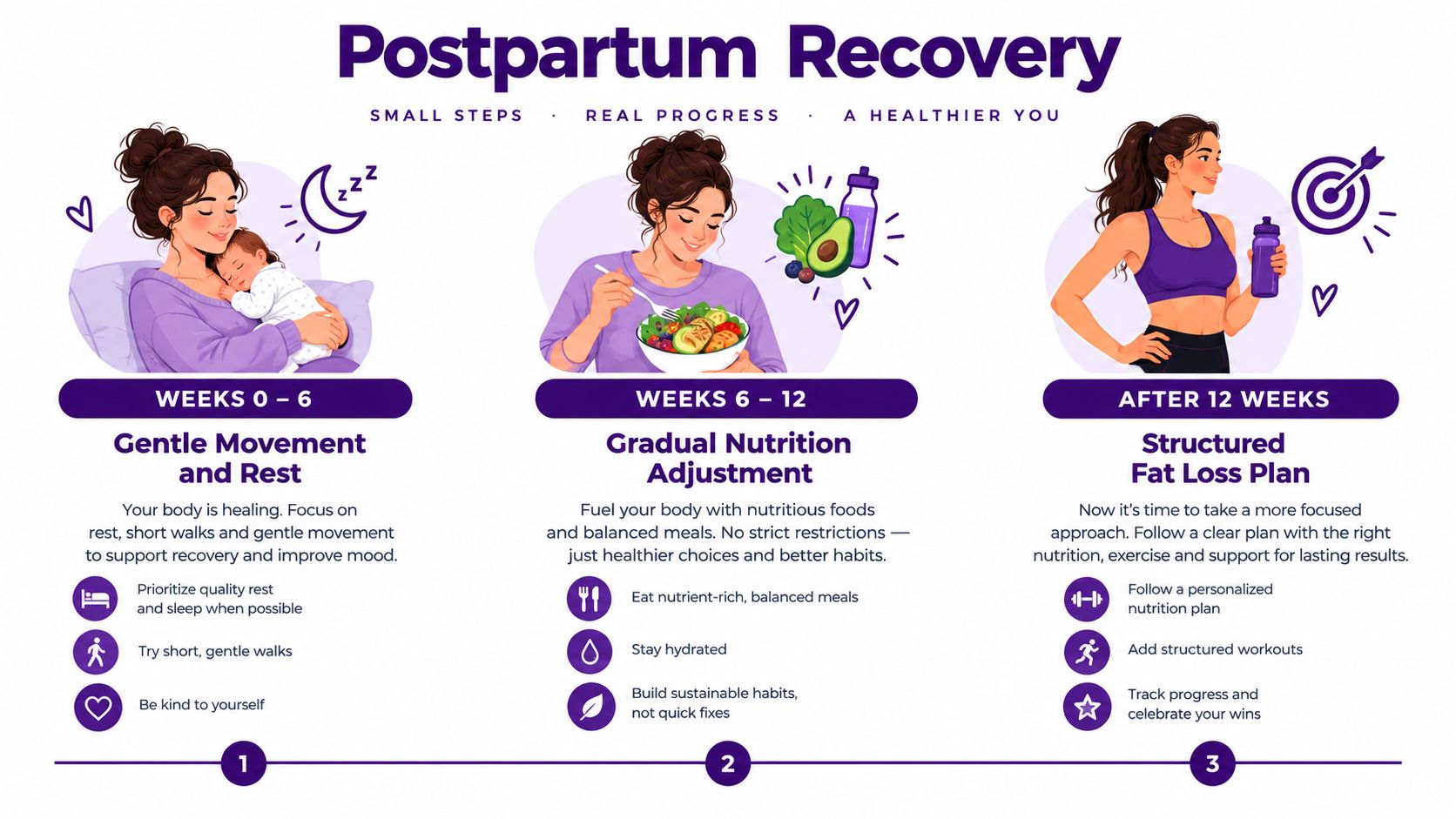
Recovery and nutritional distribution
Anyone who is breastfeeding should discuss an intentional calorie deficit with a GP or registered dietitian. Lactation, anaemia, birth complications, pelvic-floor symptoms and disrupted sleep can all alter what is safe and manageable. Early progress may therefore mean eating regular meals, drinking enough, including protein routinely and rebuilding movement gently.
A study of women with overweight or obesity after childbirth found that a higher-protein, lower-carbohydrate pattern was associated with greater body-weight reduction than the comparison diet, reporting β = −0.325 and p = 0.049. The practical lesson is to distribute protein across meals, rather than remove carbohydrates severely. (Postpartum high-protein diet study)
Perimenopause and menopause call for a slightly different emphasis. Build meals around a protein source, vegetables, a measured serving of wholegrain or starchy carbohydrate and a small amount of unsaturated fat. Clinical guidance commonly suggests 1.0 to 1.2 g of protein per kg daily, around 30 g of fibre per day, plus adequate calcium and vitamin D. Strength training supports muscle and bone, while dietary quality also supports cardiometabolic health. (St George's menopause nutrition guidance)
A 5% to 10% reduction in body weight can produce meaningful health benefits. Track waist measurement, strength, energy and relevant health markers alongside scale weight, since progress can occur without a dramatic change in body weight.
The recovery timeline below shows why “after birth” is not one clinical stage.
Eating Well While Using GLP-1 Weight Loss Medicines
GLP-1 medicines can reduce appetite, but a smaller appetite doesn't guarantee a nutritionally complete diet. A University College London and University of Cambridge review found only 12 studies examining diet alongside these treatments, with substantial variation in the advice provided and no standardised nutritional protocol. The review also reported that lean body mass, including muscle, may account for up to 40% of total weight lost during treatment. (British Menopause Society nutrition guidance for clinicians)
That finding changes the question. Instead of asking only, “How little can I eat?”, ask, “How can I make a smaller amount of food nutritionally useful?” Prioritise protein, vegetables, fruit, fibre, fluids and resistance exercise, even when hunger is low.
When appetite and digestion are reduced
Nausea, reflux, constipation and early fullness can make large meals difficult. Smaller meals may be easier to tolerate, but they still need structure. Start with protein, choose gentle fibre sources where needed, eat slowly and discuss persistent symptoms with the prescribing clinician.
Practical options can include Greek yoghurt, eggs, soft fish, tofu, cottage cheese, lentil soup or a clinically appropriate protein drink. Liquid nutrition may be useful when chewing feels difficult, but it shouldn't replace varied food indefinitely without professional guidance.
Do not self-prescribe a GLP-1 medicine or change a dose because weight loss slows. Women with diabetes, kidney disease, a history of eating disorder, pregnancy, breastfeeding or significant gastrointestinal symptoms need individual clinical advice. Hydration and constipation management should also be individualized rather than based on a universal target.
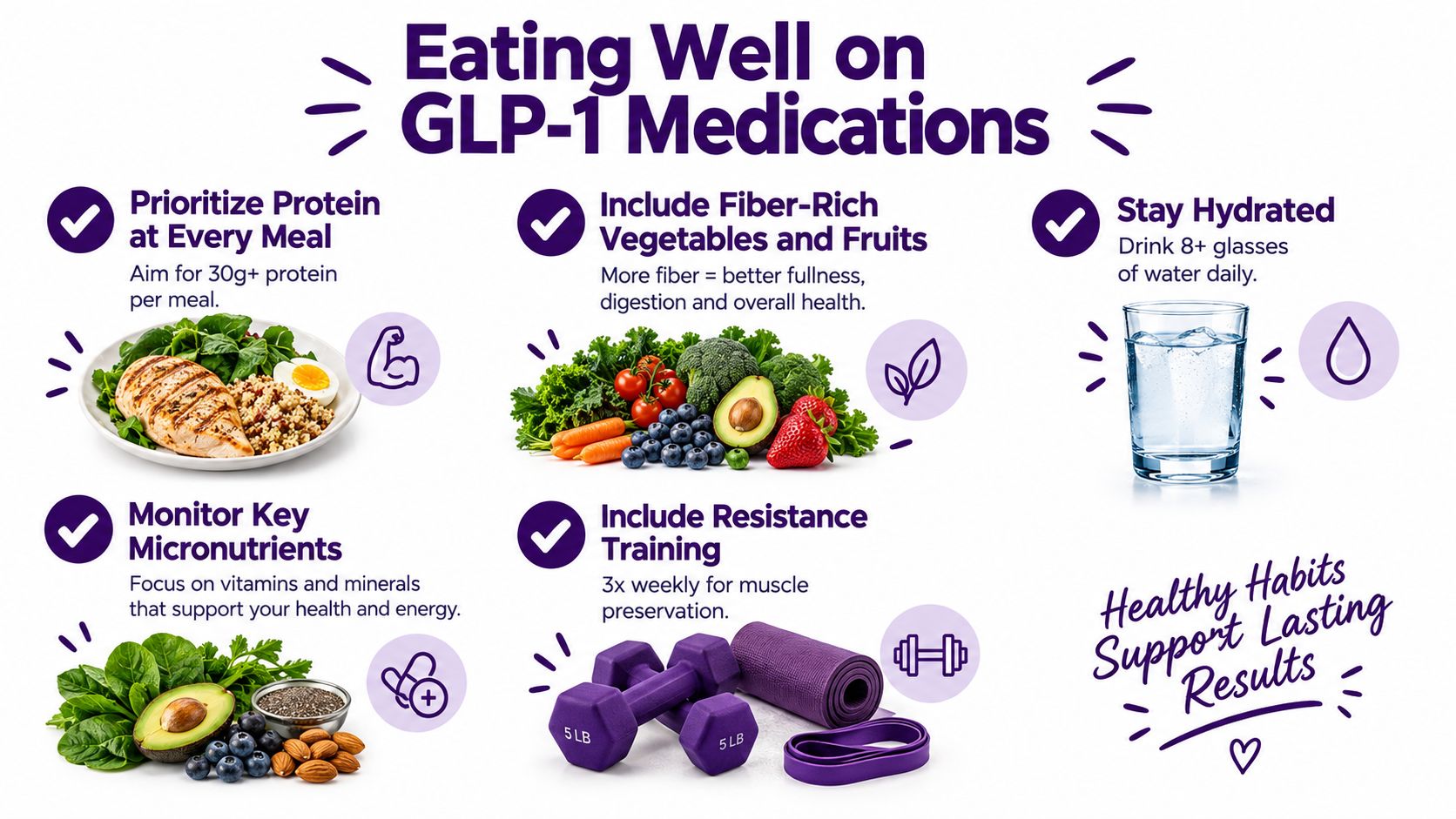
A useful meal pattern is three or four small eating occasions, each containing a clear protein source. Add fibre gradually, include calcium-rich foods or fortified alternatives, and ask a clinician whether blood tests or supplementation are appropriate if intake has become very limited. Guidance on what to eat on Wegovy can help with practical meal ideas, but it isn't a substitute for prescribing or dietetic care.
The central point is simple: GLP-1 medicines are an adjunct to a foundation diet. They may make an energy deficit easier to maintain, but they don't provide protein, iron, calcium, vitamin D or resistance training. A successful plan protects those essentials while appetite is suppressed.
Combining Diet with Strength Training to Protect Muscle
A calorie deficit can reduce fat mass, but it can also reduce lean tissue. Protein and resistance training work together. Protein supplies the building blocks, while lifting gives the body a reason to retain and use muscle.
A sensible starting routine doesn't need to be complicated. Use movements that train the major muscle groups, practise them consistently and increase the challenge gradually. If you have pelvic-floor symptoms, joint pain, osteoporosis risk or a recent birth, seek an appropriate assessment before increasing load.
A practical weekly template
- Monday: Lower body, including a squat or leg press, a hip-hinge movement and calf work.
- Tuesday: Upper body, including a press, a row and a pulldown or assisted pull-up.
- Wednesday: Rest or gentle walking, mobility and normal daily movement.
- Thursday: Lower body again, using variations of the Monday exercises and a manageable load.
- Friday: Upper body, with pushing, pulling and shoulder stability work.
- Weekend: Rest, walking or another enjoyable low-impact activity.
For beginners, two or three sets of eight to twelve repetitions can provide a clear framework. When you can complete the upper end of the repetition range with good technique, add a small amount of resistance. You don't need to train to failure, and soreness isn't proof of an effective session.
Eat a protein-containing meal after training or within the surrounding few hours, then return to the daily target rather than adding large compensatory meals. If strength repeatedly falls, recovery feels poor, soreness persists or periods become irregular, review the calorie deficit and seek clinical advice. These can be signs that training load and food intake aren't well matched.
The East London NHS group programme illustrates why food advice works better when paired with behaviour support. It recruited 330 adults, of whom 72% were women, and compared an eight-weekly-session group programme with usual nurse-led care. At twelve months, average weight loss was 4.2 kg with the group programme compared with 2.3 kg in usual practice, while at least 5% weight loss occurred in 41% and 27%, respectively. (NIHR group weight-management trial)
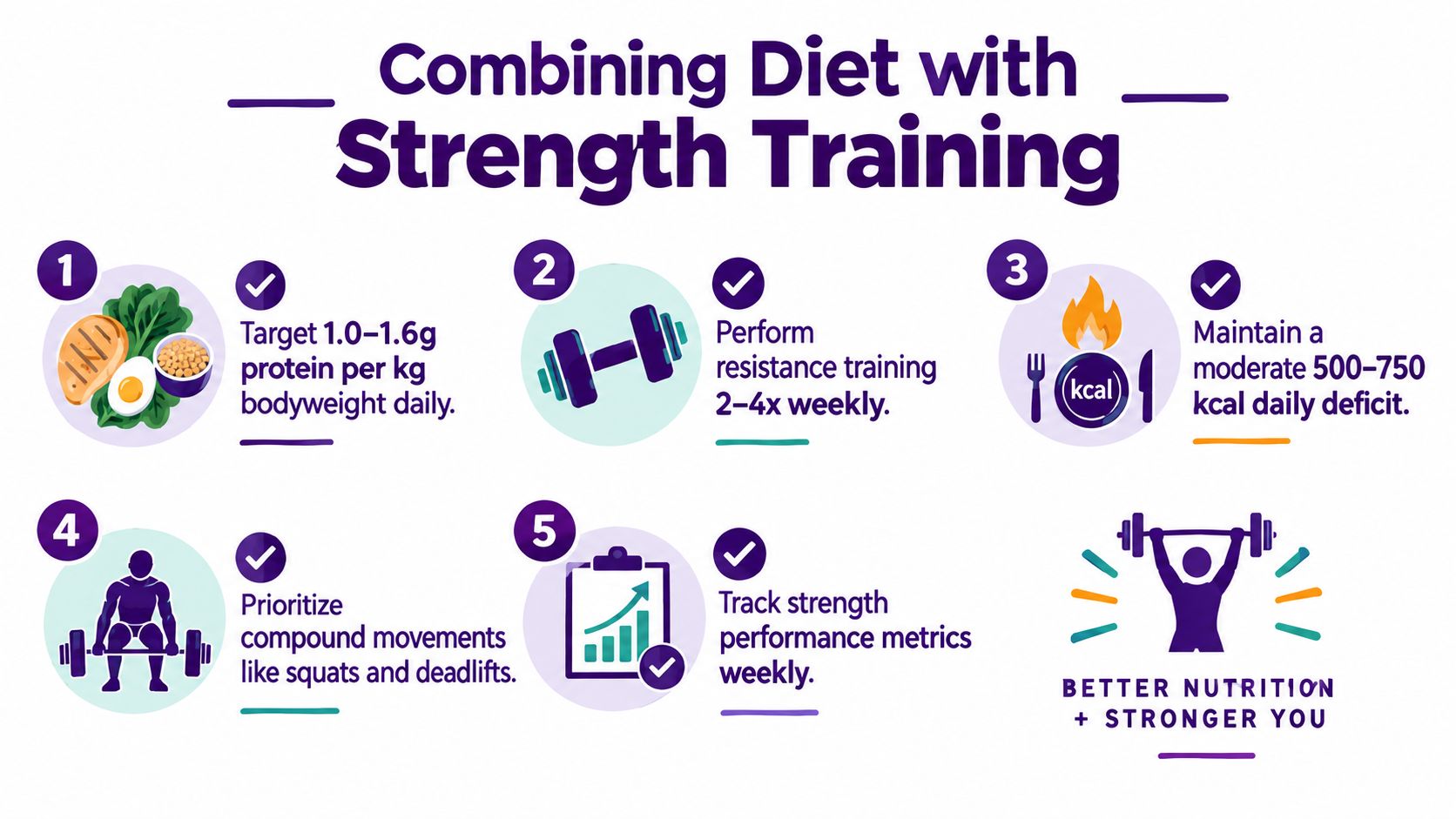
Use this weekly checklist:
- Plan protein: Choose the protein foods for each main meal before deciding on snacks.
- Protect food quality: Include vegetables, fruit, pulses or wholegrains every day.
- Train consistently: Complete strength sessions that match your experience and recovery.
- Monitor function: Track strength, energy, hunger, sleep and symptoms, not just weight.
- Review the plan: Adjust with a clinician if you are pregnant, breastfeeding, using GLP-1 medicines or managing a medical condition.
Trim provides medically supervised weight management through UK-registered clinicians, with personalised nutrition guidance, progress tracking and strength-focused support alongside prescribed treatment where clinically appropriate. If you want help building a fat loss plan around your life stage, appetite and muscle-preservation goals, visit Trim to complete its online consultation and discuss suitable options with a clinician.